SE19 furniture cleaning specialists for Gipsy Hill residents
If your sofa has lost its colour, your dining chairs look tired, or that favourite armchair has picked up one stain too many, you are not alone. Homes in Gipsy Hill get real use, and furniture takes the brunt of it. The good news is that SE19 furniture cleaning specialists for Gipsy Hill residents can help restore fabric, leather, and upholstered pieces without turning your living room into a chemical experiment. This guide explains what specialist furniture cleaning involves, why it matters locally, how the process works, and how to choose the right approach for your home. It is practical, local, and a bit more grounded than the usual sales fluff, thankfully.
Table of Contents
- Why SE19 furniture cleaning specialists for Gipsy Hill residents Matters
- How SE19 furniture cleaning specialists for Gipsy Hill residents Works
- Key Benefits and Practical Advantages
- Who This Is For and When It Makes Sense
- Step-by-Step Guidance
- Expert Tips for Better Results
- Common Mistakes to Avoid
- Tools, Resources and Recommendations
- Law, Compliance, Standards, or Best Practice
- Options, Methods, or Comparison Table
- Case Study or Real-World Example
- Practical Checklist
- Conclusion
- Frequently Asked Questions
Why SE19 furniture cleaning specialists for Gipsy Hill residents Matters
Furniture is one of those things you barely notice until it starts looking dull. Then suddenly every mark stands out. In a busy SE19 household, sofas pick up body oils, crumbs, pet hair, smoke residue, drink spills, and that odd shadow where the headrest gets used every evening. Chairs near the table gather food stains and grease. Curtains and soft furnishings can also hold onto dust that keeps circulating through the room. None of this means your furniture is ruined. It usually means it needs the right sort of attention.
Specialist cleaning matters because furniture fabrics are not all built the same. A linen blend behaves differently from synthetic upholstery. Wool-rich rugs need a different touch from a velvet sofa. Leather can crack or dry out if treated badly. One-size-fits-all cleaning is where people get into trouble, and to be fair, that is often where DIY efforts go sideways. Too much water, the wrong detergent, or over-wetting a cushion can leave a smell that lingers for days.
For Gipsy Hill residents, there is also the simple local reality of busy family homes, compact flats, shared living spaces, and the everyday wear that comes from city life. If you have ever opened the curtains on a bright morning and spotted all the marks you somehow missed the night before, you will know what I mean. Specialist cleaning is not just about appearance. It is about keeping furniture usable, comfortable, and hygienic for longer.
If you are comparing providers, it helps to look at the wider service picture too. A company that offers upholstery cleaning, sofa cleaning, and rug cleaning is usually better placed to assess different fabric types properly rather than treating everything like a generic stain job.
Expert takeaway: Good furniture cleaning should protect the fabric first, improve appearance second, and only then focus on deep freshness. If a method sounds aggressive, it probably is.
How SE19 furniture cleaning specialists for Gipsy Hill residents Works
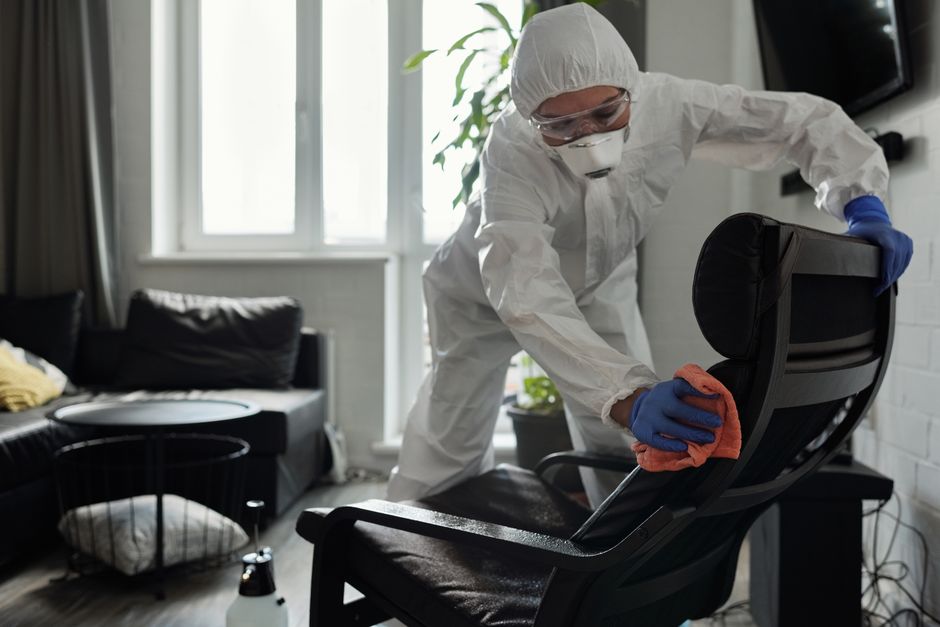
Most professional furniture cleaning visits follow a fairly sensible pattern. It is not glamorous, but it works. First comes inspection. The cleaner identifies the fabric type, checks for labels or care guidance, and tests any treatment in a hidden area. This part matters more than people think. A small patch test can prevent a large patch of disappointment.
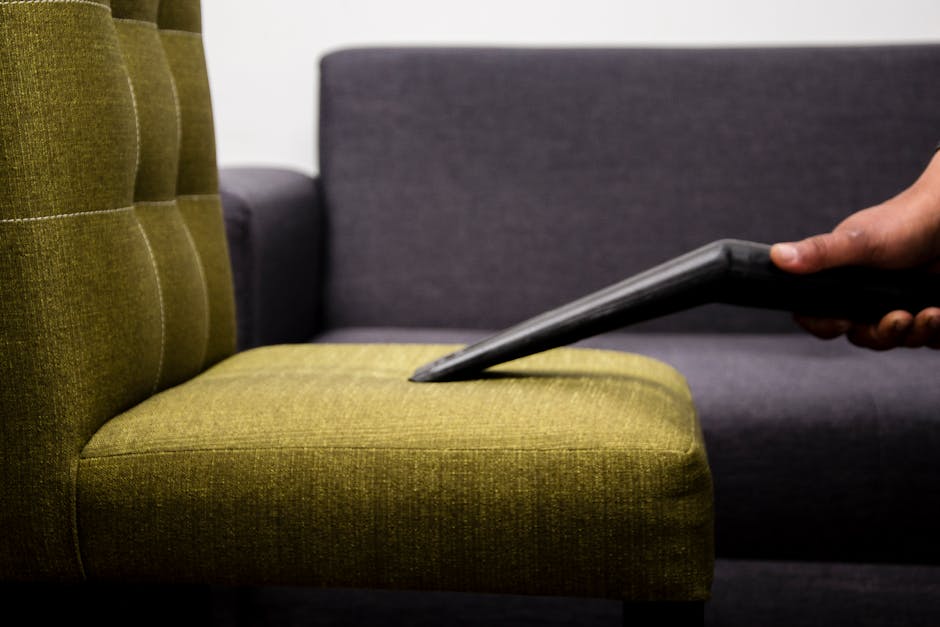
Next, loose dust, crumbs, and dry debris are removed with vacuuming and targeted brushing. After that, the technician chooses an appropriate cleaning method. For many upholstered items, that may be hot-water extraction, low-moisture cleaning, controlled steam-based treatment, or specialist solvent work where the fabric calls for it. Leather requires its own process. Delicate or vintage items may need a gentler approach again. The right choice depends on the material, the level of soiling, and whether the item has problems like pet odour, food staining, or ingrained traffic grime.
Some jobs focus on the entire piece. Others are more targeted. For instance, if a sofa only has a coffee spill on one cushion and a few general marks on the arms, the cleaner may treat the spot first and then refresh the whole item so the result blends properly. Nobody wants a clean square sitting in the middle of a grubby armrest. That looks worse, honestly.
After cleaning, the item is usually groomed, checked, and left to dry with airflow in mind. Drying time varies with fabric, method, room temperature, and ventilation. A north-facing front room in SE19 on a damp afternoon will not dry as quickly as a sunny space with windows cracked open. Common sense helps here.
If your furniture is connected to other soft furnishing issues, you may find it useful to combine services such as stain removal, pet stain odour removal, or even curtain cleaning for a more complete refresh of the room.
Key Benefits and Practical Advantages
There is a reason furniture cleaning has become a regular part of home maintenance rather than a last-minute rescue job. The benefits are tangible.
- Better appearance: Colours look brighter, fabric looks more even, and tired pieces stop dragging down the whole room.
- Improved freshness: Deep-set smells from cooking, pets, damp shoes, or daily use can be reduced significantly.
- Longer furniture life: Dirt and grit act like tiny abrasives. Removing them helps reduce fabric wear.
- More comfortable living spaces: Clean furniture feels nicer to sit on. Simple, but true.
- Better impression for guests or tenants: A well-kept sofa or armchair changes how a room feels instantly.
- Safer fabric care: Specialist treatment reduces the chance of colour loss, shrinkage, ring marks, or over-wetting.
A lot of people call in help after a spill. That is fine, of course. But regular maintenance cleaning is often where the best value sits. It is less dramatic, less stressful, and usually easier on the wallet than emergency restoration. If you are planning ahead, pricing and quotes information can help you compare options before the dirt becomes a crisis.
Who This Is For and When It Makes Sense
Furniture cleaning specialists are a good fit for all sorts of Gipsy Hill households, but especially if any of the following sound familiar:
- You have young children and are forever dealing with spills, sticky hands, and the occasional mystery mark.
- You share your home with pets, and fur seems to appear on every seat within minutes.
- You rent out a property and want to present the furniture properly before new tenants move in.
- You own a statement sofa, antique chair, or quality upholstery piece that needs careful treatment.
- You have allergies or simply want to reduce built-up dust in soft furnishings.
- You have had a failed DIY attempt and now need a careful recovery plan.
It also makes sense when furniture no longer matches the rest of the room. One faded armchair can make everything feel a little tired, even if the rest of the space is tidy. A good clean can be enough to bring balance back. Sometimes that is all a room needs, not a makeover, just a proper reset.
For homeowners balancing multiple soft surfaces, it may be worth looking at related services like carpet cleaning, mattress cleaning, or even steam carpet cleaning so the whole home feels fresher rather than only one piece of furniture.
Step-by-Step Guidance
If you are booking a professional service for the first time, here is the process in plain English.
- Identify the item and fabric. Check what the furniture is made from, and if there is a care label, keep it handy.
- List the problems clearly. Mention stains, odours, pet damage, fading concerns, or delicate areas that need extra caution.
- Ask about the method. A reputable specialist should explain whether they will use extraction, low-moisture cleaning, dry cleaning, or another approach.
- Clear the area. Move small items, cushions, and breakables away from the work zone. It saves time and avoids awkward moments.
- Allow for inspection and patch testing. This is normal and sensible.
- Let the cleaner proceed carefully. Good professionals do not rush fabric work. They read the item as they go.
- Manage drying properly. Open windows where practical, use airflow, and avoid sitting on the furniture too soon.
- Follow aftercare advice. A little care afterwards can make the result last far longer.
A practical tip: if a stain is fresh, blot it gently rather than rubbing hard. Rubbing tends to spread the mess and push it deeper. That one mistake causes more grief than people expect, and yes, it happens in real homes all the time.
Expert Tips for Better Results
There are a few small things that make a big difference before, during, and after cleaning.
- Vacuum first if you can. Removing surface dust helps the cleaner focus on embedded soil and stains.
- Be honest about the stain age. Fresh spill? Old mark? Unknown substance? Say so. Guessing helps nobody.
- Test before treating at home. If you use any spot cleaner yourself, test it in a hidden area first.
- Keep pets away during drying. Curious paws and damp upholstery do not mix well.
- Use airflow, not heat blasts. Gentle ventilation is usually safer than pointing a heater at the fabric.
- Ask for fabric-specific advice. Leather, wool blends, velvet, and synthetics all have different limits.
One small thing people overlook: ask how the cleaner handles stubborn odours. Smell can cling even when a stain looks gone. The right odour removal approach can make a room feel properly reset, not just cosmetically tidied up.
And yes, sometimes the dog will immediately choose the clean sofa as its new favourite place. Life has a sense of timing like that.
Common Mistakes to Avoid
Furniture cleaning goes wrong for predictable reasons. Luckily, those mistakes are easy to avoid once you know them.
- Using too much water: This can cause slow drying, water marks, and hidden damp inside cushions.
- Scrubbing aggressively: Friction can damage fibres and make a stain spread.
- Ignoring fabric labels: A washable fabric is not the same as a water-safe fabric.
- Picking the wrong product: Strong household cleaners can bleach, stain, or stiffen upholstery.
- Cleaning only the visible mark: If the surrounding area is dirty, the finished result often looks patchy.
- Skipping drying time: Sitting down too soon can flatten fibres and reintroduce soil.
Another common issue is trying to treat every furniture piece the same way. A fabric sofa, a wool rug, and a leather footstool are not cousins in cleaning terms. They are distant acquaintances at best.
Tools, Resources and Recommendations
You do not need a van full of equipment to keep furniture in decent shape, but a few practical tools help.
- Upholstery attachment vacuum: Great for removing dust and crumbs without rough treatment.
- Soft brush: Useful for lifting pile and loosening surface dirt gently.
- Microfibre cloths: Handy for blotting small spills and applying mild care products carefully.
- White towels: Better than coloured cloths if you are blotting because dye transfer is less of a worry.
- Fabric-safe spot treatment: Only if suitable for the material, and only after testing.
- Good ventilation: Old-fashioned but effective. Open windows and let air do its thing.
For broader home care planning, it may help to read up on the company's background and approach, or review recycling and sustainability practices if you care about cleaning choices that are a bit more considerate. Many Gipsy Hill residents do, and quite rightly.
If you need a deeper room refresh rather than a one-off spot clean, related pages such as sofa cleaning and upholstery cleaning give a better idea of the service scope than a quick phone call alone.
Law, Compliance, Standards, or Best Practice
Furniture cleaning itself is not usually a heavily regulated trade in the way some other services are, but best practice still matters. In the UK, a professional cleaner should work safely, use products appropriately, and give sensible guidance about risks such as fabric shrinkage, colour bleed, or residual damp. That is the kind of care you want to see, not vague promises.
For homes and small businesses, the most relevant expectations are usually practical rather than legal: clear communication, honest assessment, safe product use, proper handling of electrical equipment, and respect for the customer's property. If a business also operates in commercial settings, then documented procedures matter even more. That is one reason some clients prefer a provider with a visible health and safety policy and clear insurance and safety information.
There are also trust signals worth checking. A transparent terms and conditions page, a straightforward payment and security explanation, and a fair complaints procedure all suggest a business takes accountability seriously. That matters more than flashy language ever will.
For anyone booking in a flat or shared property, it is also sensible to think about access, parking, and building rules in advance. No need to make it complicated. Just practical, calm, organised. That is usually enough.
Options, Methods, or Comparison Table
Different furniture items need different methods. Here is a simple comparison to help you think through the options.
| Method | Best for | Pros | Watch-outs |
|---|---|---|---|
| Hot-water extraction | Many fabric sofas and upholstered chairs | Good for deep soil and general freshness | Needs managed drying and careful fabric checking |
| Low-moisture cleaning | Delicate fabrics or items needing quicker drying | Less water, often faster turnaround | May be less effective on heavy ingrained soil |
| Dry cleaning / solvent-based care | Some sensitive materials and specialist fabrics | Useful where water is risky | Requires experienced handling and patch testing |
| Leather cleaning and conditioning | Leather sofas, chairs, footstools | Cleans and helps maintain flexibility | Wrong products can dry or damage the surface |
| Targeted stain treatment | Isolated spills, marks, and spots | Efficient and cost-conscious | May need blending into a full clean for even results |
There is no universally "best" method. The right one depends on the fabric, the condition of the piece, and how important drying time is to you. If you need the room back quickly, that may influence the choice. If the item is expensive or sentimental, caution wins. Every time.
Case Study or Real-World Example
Imagine a Gipsy Hill family with a three-seater fabric sofa in a front room that gets used all day. Two children, one energetic spaniel, and the usual mix of tea, lunch, and evening snacks. Over time, the sofa looks slightly grey around the arms and seating area, and there is a faint dog smell that becomes obvious whenever the heating comes on.
The right approach would start with inspection and fabric testing. The cleaner would likely vacuum the sofa thoroughly, treat the heavier areas around the arms, target the odour-prone sections, and then clean the rest of the sofa so the finish is even. If the dog has caused recurring issues, pet stain odour removal may be part of the plan rather than a separate add-on. The family would then be advised to keep windows open for airflow and avoid heavy use until dry.
What changes afterwards? The sofa looks lighter, feels less greasy, and the room smells fresher. Not perfume-fresh, not artificial. Just clean. That is the difference people usually notice first. It is subtle at first, then suddenly obvious when you sit down and realise the room feels calmer.
For a landlord or letting agent, the same process might also be paired with carpet cleaning or a light refresh of curtains before viewings. The goal is not perfection; it is a property that feels cared for.
Practical Checklist
Before you book furniture cleaning in SE19, run through this checklist.
- Identify the furniture type: sofa, armchair, dining chair, ottoman, rug, or leather item.
- Check for fabric labels or care instructions.
- Note the main issues: stains, odours, dullness, pet hair, or general wear.
- Photograph any problem areas if you want a before-and-after reference.
- Ask what cleaning method is likely to be used.
- Confirm whether patch testing will be done.
- Ask about drying time and aftercare.
- Clear access around the furniture and remove fragile items nearby.
- Think about related soft furnishing cleaning if the room needs a broader refresh.
- Review service details such as quotes, payment options, and service expectations before confirming.
Quick reminder: if something feels off during the inspection stage, ask questions. A good specialist will not mind. In fact, they should welcome it.
Conclusion
SE19 furniture cleaning specialists for Gipsy Hill residents are there to do more than make a sofa look respectable again. They help protect the fabric, remove the build-up that everyday life leaves behind, and make your home feel easier to live in. That matters whether you are caring for a favourite armchair, preparing a rental property, or simply tired of seeing one stubborn stain every time you sit down. The best results usually come from careful assessment, the right method for the material, and a bit of patience while things dry properly.
When you choose well, the difference can be surprisingly satisfying. A room feels lighter. A seat feels more inviting. You stop noticing the mark and start enjoying the furniture again. Small thing, maybe. But those small things change how home feels.
Get a free quote today and see how much you can save.
Frequently Asked Questions
What does a furniture cleaning specialist actually clean?
They clean upholstered and soft furniture such as sofas, armchairs, dining chairs, ottomans, and sometimes leather items, depending on the service. Some specialists also handle matching soft furnishings like rugs and curtains.
How often should upholstered furniture be professionally cleaned?
It depends on use, pets, children, and the fabric itself. A busy household may benefit from regular maintenance more often than a low-use room. If the furniture looks dull or starts to hold smells, it is probably due.
Can furniture cleaning remove old stains?
Sometimes, yes, but not always completely. Older stains have often bonded with the fibres or changed colour over time. A specialist can usually improve them and may remove them fully if the fabric and stain type allow it.
Is steam cleaning safe for sofas?
Steam can be useful on some fabrics, but it is not suitable for every piece. The cleaner should inspect the material first and choose a method that suits the upholstery rather than forcing steam where it does not belong.
How long does furniture take to dry after cleaning?
Drying time varies with the method used, fabric type, room airflow, and how much moisture was applied. Good ventilation helps. A damp London day can slow things down, as you might expect.
Will furniture cleaning remove pet odours?
It can reduce or remove many odours, especially when the smell is sitting in the fabric rather than deeper inside the padding. More stubborn pet smells may need targeted odour treatment as part of the job.
Can I clean my sofa myself instead of hiring a specialist?
You can manage light maintenance, such as vacuuming and blotting fresh spills. But for deep stains, delicate fabrics, or odours, a specialist is usually the safer choice. DIY is fine right up until it is not.
What should I ask before booking a furniture cleaner?
Ask about fabric testing, cleaning methods, drying time, insurance, pricing, and whether they have experience with your type of furniture. Clear answers are a good sign.
Are leather sofas cleaned the same way as fabric sofas?
No. Leather needs different products and a different technique. Using fabric cleaner on leather, or harsh chemicals on the surface, can cause drying, cracking, or discolouration.
Do I need to move the furniture before the cleaner arrives?
Usually not the large pieces, but it helps to clear smaller items, ornaments, and any clutter nearby. That makes access easier and reduces the risk of accidental knocks.
What if a stain comes back after cleaning?
Sometimes stains wick back as the fabric dries, especially if they were deep in the fibres or underlay. A careful specialist should explain this possibility and advise on follow-up steps if needed.
How do I know if a company is trustworthy?
Look for clear service information, a sensible complaints process, transparent terms, and practical guidance on safety and payment. Trustworthy businesses tend to explain things plainly rather than hiding behind vague promises.